
A boy called Bat Comprehension Questions & Reading Journal
60 readers
A boy called Bat has 26 chapters · 100 pages
Free, no sign-up. Customise to reword questions or add your reader’s name.
Inside the journal: 26 chapter pages, one question each · 3 example answers · a cover for your reader’s name
Written for this book Questions about this story, good after any chapter.
What have you learned so far about Bat's daily life at home or school? Choose two details that help you picture his world.See all 26 questions ↓
About the book
When his veterinarian mom brings home a stray baby skunk that needs rehabilitation before it can be placed in a wild animal shelter, Bat, who has austim, resolves to prove that he is up to the challenge of caring for the skunk permanently.
Buy the book on Amazon ↗ (affiliate link)
A boy called Bat questions by chapter
We know the book, its characters, setting and story, but not what happens in each chapter. So every question is written for this book, and any of them works wherever your reader has just stopped. One question per chapter, across all 26 chapters, and every one is editable before you print. The example answers under 3 of the chapters are the ones printed at the front of the booklet.
-
Chapter 1
What have you learned so far about Bat's daily life at home or school? Choose two details that help you picture his world.
-
Chapter 2
Which of Bat's interests stands out to you so far, and what does it show about him?
Example answer: Bat's interest in animals stands out to me. He wants to understand what animals need, not just look at them. I think this shows that he is curious and caring. His interest helps me see his strengths, even when other parts of his life are difficult.
-
Chapter 3
How does Bat react when something does not go the way he expects? Use a detail from your reading to explain his reaction.
-
Chapter 4
What have you learned about Bat's mother and her work as a veterinarian? Explain how her work might affect Bat's interests.
-
Chapter 5
What do Bat and his sister, Janie, seem to understand—or misunderstand—about each other so far?
-
Chapter 6
Based on the part you just read, what do you think Bat will want to do next? Explain the clues behind your prediction.
-
Chapter 7
Where does Bat seem most comfortable so far? Describe what makes that place a good fit for him.
-
Chapter 8
What has someone said or done that helps you understand Bat better? Explain what you learned from that moment.
-
Chapter 9
Which word in your reading helps explain Bat's world or his interest in animals? Tell what you think it means and how you figured it out.
-
Chapter 10
What does caring for others seem to mean in Bat's story so far? Support your idea with something you have read.
-
Chapter 11
Which choice by Bat do you agree or disagree with at this point? Explain your opinion respectfully.
-
Chapter 12
How does Bat show what matters to him? Describe an action or a line of dialogue that reveals his feelings.
-
Chapter 13
What question would you ask Janie about her relationship with Bat, based on what you know so far? Explain why you would ask it.
-
Chapter 14
What challenge do you predict Bat might face as he tries to reach a goal? Use what you know about him to explain your prediction.
Example answer: I predict that Bat will have trouble convincing his mother that he should keep the baby skunk. He really wants it, but his mother is a veterinarian and has to think about what is best for the animal. I think Bat will need more than a strong wish to persuade her. He may need to learn about skunks and explain how he would care for one.
-
Chapter 15
Which detail about Bat's home or school seems important rather than just interesting? Explain why it could matter to the story.
-
Chapter 16
How do Bat's words or actions show that people can experience the same situation differently?
-
Chapter 17
What unfamiliar or interesting phrase did you notice in your reading? Explain its meaning and how it helps you picture Bat's experience.
-
Chapter 18
When has Bat needed someone to listen carefully to him so far? Explain what a good listener would need to understand.
-
Chapter 19
What have you discovered about the way Bat learns something new? Describe a detail that supports your thinking.
-
Chapter 20
If you could give Bat advice at this point in the story, what would you say, and why?
Example answer: I would tell Bat to explain why caring for the skunk matters so much to him. I would also suggest that he ask his mother questions about what the animal needs. Since she is a veterinarian, she could help him understand things he has not thought about yet. I think listening and explaining would work better than only repeating what he wants.
-
Chapter 21
Which relationship in Bat's life would you like to learn more about as you continue reading? Explain what makes you curious.
-
Chapter 22
What does the story suggest so far about being patient with people or animals? Connect your idea to a detail from your reading.
-
Chapter 23
How might another character describe Bat differently from the way Bat would describe himself? Use what you have learned so far.
-
Chapter 24
Which word would you choose to describe the mood of the part you just read? Explain how the author's details about Bat's world create that mood.
-
Chapter 25
What would you like to happen next for Bat, and how is that different from what you think will actually happen?
-
Chapter 26
Looking back over your reading so far, what idea about Bat have you changed or added to? Explain which detail helped you think differently.
Discussion questions for after A boy called Bat
Bigger questions for when the book is finished, each printed on its own ruled page at the end of the booklet.
- How does Bat change from the beginning of the book to the end, and what stays the same about him? Explain how his experiences with the baby skunk and the people in his life help you understand those changes. Use details from different parts of the story.
- What do you think A Boy Called Bat is really about beyond a boy's interest in a baby skunk? Discuss what the story teaches about caring, friendship, or understanding people whose experiences are different from your own. Support your ideas with moments from Bat's relationships with his family and people at school.
More ready-made journals
-
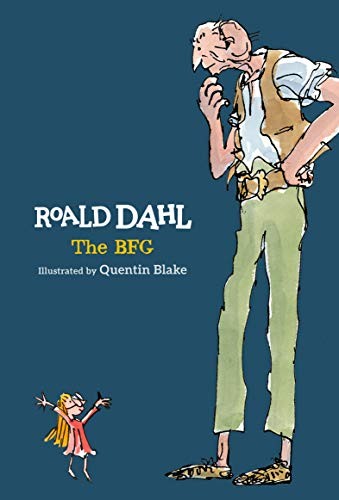 The BFG
-
 The birchbark house
-
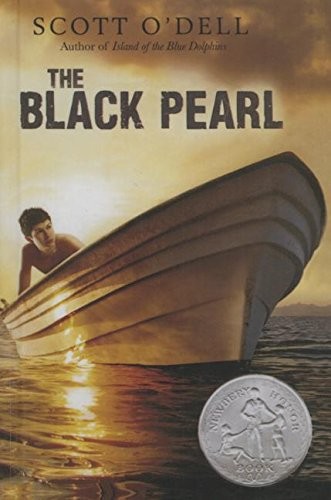 The Black Pearl
-
 The Black Stallion
-
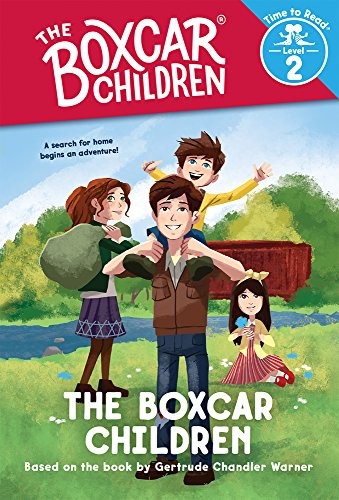 The Boxcar Children
-
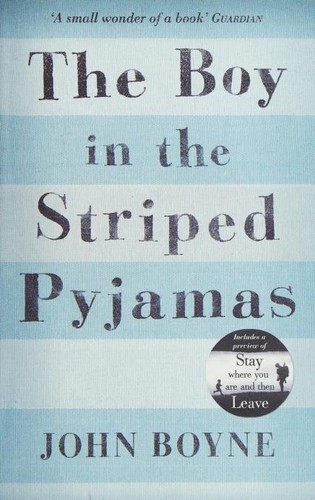 The Boy in the Striped Pajamas
How to use this A boy called Bat reading journal
At home, as a discussion guide
After each chapter your reader writes a few lines on that chapter’s question. Read the answer together at bedtime: it shows what they understood and gives you something real to talk about, without a quiz.
In class, as a novel study
Print a class set (booklets fold from plain letter paper) and use one question per chapter as the reading-response or literature-circle prompt. The example answers at the front show what a full answer looks like.
Homeschool
One booklet covers the whole book, 26 chapters, so it doubles as the reading log for A boy called Bat. Reword any question before printing to match your reader.
Printing
The booklet PDF prints on ordinary 8.5 × 11 paper: print double-sided (flip on the short edge) at 100%, fold the stack in half and staple on the fold. There is also a one-page-per-sheet PDF and A5 binder pages.
Where the questions come from
Questions about this story, good after any chapter. We know the book, its characters, setting and story, but not what happens in each chapter. So every question is written for this book, and any of them works wherever your reader has just stopped. The questions were drafted with AI from what is known about the book and checked before publishing; every one is editable before you print.