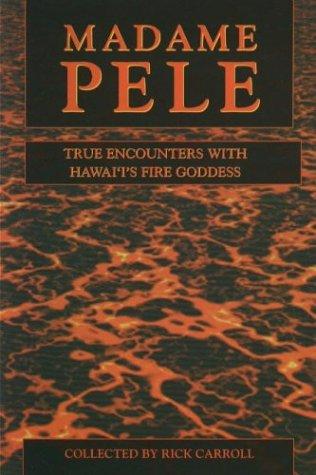
Madame Pele Comprehension Questions & Reading Journal
Madame Pele has 28 chapters · 136 pages
Free, no sign-up. Customise to reword questions or add your reader’s name.
Inside the journal: 28 chapter pages, one question each · 3 example answers · a cover for your reader’s name
Chapter by chapter Each question is about its own chapter.
What important information does the first chapter give about the setting and Madame Pele? How does it help you get ready for the rest of the book?See all 28 questions ↓
A printable reading journal for Madame Pele: one question per chapter, with example answers.
Buy the book on Amazon ↗ (affiliate link)
Madame Pele questions by chapter
We know this book well. Every question asks about something that happens in its chapter, a moment, a choice or a character, without giving away what comes next. One question per chapter, across all 28 chapters, and every one is editable before you print. The example answers under 3 of the chapters are the ones printed at the front of the booklet.
-
Chapter 1
What important information does the first chapter give about the setting and Madame Pele? How does it help you get ready for the rest of the book?
-
Chapter 2
Choose one strong or interesting word from this chapter that describes the volcano or the land. What do you think the word means, and how does it help you picture the scene?
-
Chapter 3
How do the people in this chapter seem to feel about Madame Pele? Use details from the chapter to explain your thinking.
-
Chapter 4
What clues in this chapter make you wonder what might happen next? Make a prediction and explain why you think it could happen.
-
Chapter 5
What lesson about respecting nature does this chapter seem to teach? How do the events or descriptions show that lesson?
Example answer: I think this chapter teaches that nature is powerful and should not be treated carelessly. The way the volcano is described makes it seem beautiful but also dangerous. This helped me understand why people would show respect for Madame Pele. It reminds me that people cannot always control the natural world.
-
Chapter 6
What is the main problem or conflict in this chapter? How do the characters respond to it?
-
Chapter 7
Which choice made by a character in this chapter do you agree or disagree with? Explain your opinion with reasons from the text.
-
Chapter 8
The name “Madame Pele” is important in this book. What feelings or ideas does this name bring up in this chapter, and why?
-
Chapter 9
How does one character’s attitude or understanding change in this chapter? What causes the change?
-
Chapter 10
What cause-and-effect event is important in this chapter? Explain what happens first and what happens because of it.
-
Chapter 11
What dangers or warnings appear in this chapter? Predict how they might affect the characters later in the story.
-
Chapter 12
How does this chapter show the importance of legends, stories, or traditions? Why might people keep telling these stories?
-
Chapter 13
If you were in the place of one character in this chapter, what would you have done differently or the same? Explain your choice.
-
Chapter 14
Find a word or phrase in this chapter that shows power, movement, or danger. What does it mean, and why is it a good choice by the author?
Example answer: One phrase that stood out to me made the lava seem like it was moving on its own. I think it means the lava was strong, hot, and impossible to stop. It is a good choice because it helps me picture the scene like a movie in my mind. The words also make the moment feel more dangerous and exciting.
-
Chapter 15
What details in this chapter help you understand the power of the volcano or Madame Pele? Give at least two details.
-
Chapter 16
How are Madame Pele and the human characters different in this chapter? How are they similar in any way?
-
Chapter 17
What setback or surprise happens in this chapter? What do you think the characters will do next?
-
Chapter 18
How does this chapter connect to the theme of fear and courage? Describe one moment that shows fear, courage, or both.
-
Chapter 19
What problem is solved or partly solved in this chapter? What steps lead to the solution?
-
Chapter 20
What do you think is the most important lesson a character learns in this chapter? Explain your answer.
-
Chapter 21
The word “legend” can mean a story passed down over time. How does this chapter make Madame Pele seem like a legend?
-
Chapter 22
How might two different people in this chapter see the same event in different ways? Explain both points of view.
-
Chapter 23
What role do family, neighbors, or the community play in this chapter? How do people help or affect one another?
-
Chapter 24
Based on what happens in this chapter, how do you think the book will end? What clues support your prediction?
-
Chapter 25
What does this chapter suggest about the relationship between people and the land? Use details from the chapter in your answer.
-
Chapter 26
What scene in this chapter stood out to you the most? Explain why it was memorable, exciting, beautiful, or important.
-
Chapter 27
What feels like the turning point or most important moment in this chapter? How does it change the direction of the story?
-
Chapter 28
After finishing the book, what message do you think the author wants readers to remember about Madame Pele, volcanoes, or nature?
Example answer: I think the author wants readers to remember that nature deserves respect. Madame Pele is shown as powerful, and the volcano is not just a place but something important to the people and the land. I also think the book shows that stories can help people understand the world around them. After reading, I would be more careful and thoughtful about volcanoes and the places connected to them.
More ready-made journals
-
 The Prehistoric Planet
-
 The Puppy Place Goldie
-
 The Puppy Place Molly
-
 The Rainbow Fish
-
 The Raven Boys
-
 The Scarlet Letter
How to use this Madame Pele reading journal
At home, as a discussion guide
After each chapter your reader writes a few lines on that chapter’s question. Read the answer together at bedtime: it shows what they understood and gives you something real to talk about, without a quiz.
In class, as a novel study
Print a class set (booklets fold from plain letter paper) and use one question per chapter as the reading-response or literature-circle prompt. The example answers at the front show what a full answer looks like.
Homeschool
One booklet covers the whole book, 28 chapters, so it doubles as the reading log for Madame Pele. Reword any question before printing to match your reader.
Printing
The booklet PDF prints on ordinary 8.5 × 11 paper: print double-sided (flip on the short edge) at 100%, fold the stack in half and staple on the fold. There is also a one-page-per-sheet PDF and A5 binder pages.
Where the questions come from
Each question is about its own chapter. We know this book well. Every question asks about something that happens in its chapter, a moment, a choice or a character, without giving away what comes next. The questions were drafted with AI from what is known about the book and checked before publishing; every one is editable before you print.