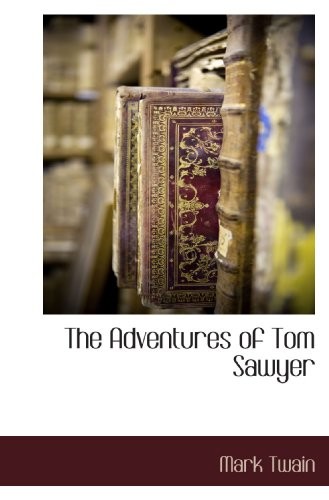
Tom Sawyer Comprehension Questions & Reading Journal
Tom Sawyer has 35 chapters · 254 pages
Free, no sign-up. Customise to reword questions or add your reader’s name.
Inside the journal: 35 chapter pages, one question each · 3 example answers · a cover for your reader’s name
Chapter by chapter Each question is about its own chapter.
What do you learn about Tom from the way he acts with Aunt Polly, Sid, and the new boy in Chapter 1? Use details from the chapter to support your ideas.See all 35 questions ↓
A printable reading journal for Tom Sawyer: one question per chapter, with example answers.
Buy the book on Amazon ↗ (affiliate link)
Tom Sawyer questions by chapter
We know this book well. Every question asks about something that happens in its chapter, a moment, a choice or a character, without giving away what comes next. One question per chapter, across all 35 chapters, and every one is editable before you print. The example answers under 3 of the chapters are the ones printed at the front of the booklet.
-
Chapter 1
What do you learn about Tom from the way he acts with Aunt Polly, Sid, and the new boy in Chapter 1? Use details from the chapter to support your ideas.
-
Chapter 2
How does Tom turn the job of whitewashing the fence into something other boys want to do? What does this show about the way Tom thinks?
Example answer: I think Tom makes the fence seem special by acting like it is fun and important work. He does not beg the other boys to help, which makes them want to try it even more. This shows that Tom is clever and understands how to make people curious. He uses his imagination to get out of trouble.
-
Chapter 3
Tom can be mischievous, but he also has strong feelings. How does Chapter 3 show both sides of Tom's personality?
-
Chapter 4
Why is it funny or surprising when Tom receives the Bible prize at Sunday school? What does this moment tell you about appearances and honesty?
-
Chapter 5
In the church scene, how do the pinch-bug and the poodle change the mood? Why do you think Mark Twain includes this silly event?
-
Chapter 6
How do Tom and Huck show different attitudes about school, rules, and superstition in this chapter? Which boy would you rather spend an afternoon with, and why?
-
Chapter 7
What causes Tom and Becky to quarrel in Chapter 7? How could either one of them have handled the problem differently?
-
Chapter 8
Tom imagines himself as a pirate, a robber, and Robin Hood. What do these adventure words mean to Tom, and why do they make him feel better when he is upset?
-
Chapter 9
How does the graveyard scene change the feeling of the story? What details make this chapter feel scary or serious?
-
Chapter 10
Why do Tom and Huck make a secret oath after what they see in the graveyard? Do you think keeping the secret is the right choice? Explain your thinking.
-
Chapter 11
The word conscience means the part of you that helps you know right from wrong. How does Tom's conscience bother him in this chapter?
-
Chapter 12
What does Aunt Polly's pain-killer episode show about her care for Tom? How does the scene with the cat add humor to the chapter?
-
Chapter 13
Why do Tom, Joe, and Huck decide to run away to Jackson's Island? What are they hoping to escape from, and what are they hoping to find?
-
Chapter 14
What parts of island life seem exciting to the boys? What parts show that their adventure is not as easy as they expected?
-
Chapter 15
Why does Tom sneak back home instead of simply returning for good? What does this choice show about him?
-
Chapter 16
How do the storm and the boys' homesickness change the mood on the island? What do the boys begin to understand about home?
-
Chapter 17
How do the people's reactions at the funeral affect Tom, Joe, and Huck? What is surprising about the boys' return?
-
Chapter 18
How do jealousy and pride cause problems between Tom, Becky, and Alfred? What lesson could the characters learn from this chapter?
-
Chapter 19
What does Aunt Polly learn about Tom's secret visit home? How does this change the way she feels about him?
-
Chapter 20
Why does Tom take the blame for Becky when the schoolmaster finds the torn book? What does this show about Tom's character?
Example answer: Tom takes the blame because he cares about Becky and does not want her to be punished. I think he knows he will get in trouble, but he chooses to protect her anyway. This shows that Tom is not only a prankster. He can also be brave, kind, and loyal when it really matters.
-
Chapter 21
How does exam day reveal the personalities of the teacher and the students? Which part of the school celebration stands out most to you, and why?
-
Chapter 22
During vacation, Tom tries new activities and goes through sickness and boredom. What does this chapter show about how quickly people's feelings and interests can change?
-
Chapter 23
What makes Tom's testimony in Muff Potter's trial brave? How might Tom be feeling when he tells the truth?
-
Chapter 24
After the trial, why might Tom feel both proud and afraid? How does Injun Joe's escape keep the danger alive?
-
Chapter 25
Why are Tom and Huck so interested in buried treasure? What does the word treasure mean to them besides just money?
-
Chapter 26
How does the haunted house scene build suspense? Which details make you worry about Tom and Huck?
-
Chapter 27
Tom and Huck try to understand the clue about Number Two. What do they think it means, and what do you predict they will do next?
-
Chapter 28
How does Huck show courage when he follows Injun Joe and gets help? Why is Huck's decision important to the safety of others?
-
Chapter 29
How does the picnic create both fun and danger? What clues show that Tom and Becky may be in trouble?
-
Chapter 30
Why is the town so worried about Tom and Becky? How does Huck's sickness add another problem to the story?
-
Chapter 31
How do Tom and Becky react to being lost in the cave? What does Tom do that helps them keep going?
Example answer: If I were lost in the cave, I would feel scared just like Tom and Becky do. Becky becomes very tired and worried, but Tom keeps trying to find a way out. He shares food, comforts her, and explores carefully with the kite string. I think Tom shows real courage because he is afraid but still keeps thinking and helping.
-
Chapter 32
How does the news about Injun Joe after the cave is sealed make this chapter feel shocking? What might readers feel about what happens to him?
-
Chapter 33
The word fortune can mean a large amount of money or luck. How do Tom and Huck's choices lead them to their fortune in this chapter?
-
Chapter 34
How does Huck feel about being praised and about living with Widow Douglas? Why might a comfortable home still feel hard for him?
-
Chapter 35
At the end of the book, what has changed for Tom and Huck? What do you think Mark Twain wants readers to think about freedom, friendship, and rules?
More ready-made journals
-
 Gooney Bird Greene
-
 Gracie Under the Waves
-
 Graciela in the Abyss
-
 Great Gatsby
-
 Ground Zero
-
 Growing Home
How to use this Tom Sawyer reading journal
At home, as a discussion guide
After each chapter your reader writes a few lines on that chapter’s question. Read the answer together at bedtime: it shows what they understood and gives you something real to talk about, without a quiz.
In class, as a novel study
Print a class set (booklets fold from plain letter paper) and use one question per chapter as the reading-response or literature-circle prompt. The example answers at the front show what a full answer looks like.
Homeschool
One booklet covers the whole book, 35 chapters, so it doubles as the reading log for Tom Sawyer. Reword any question before printing to match your reader.
Printing
The booklet PDF prints on ordinary 8.5 × 11 paper: print double-sided (flip on the short edge) at 100%, fold the stack in half and staple on the fold. There is also a one-page-per-sheet PDF and A5 binder pages.
Where the questions come from
Each question is about its own chapter. We know this book well. Every question asks about something that happens in its chapter, a moment, a choice or a character, without giving away what comes next. The questions were drafted with AI from what is known about the book and checked before publishing; every one is editable before you print.