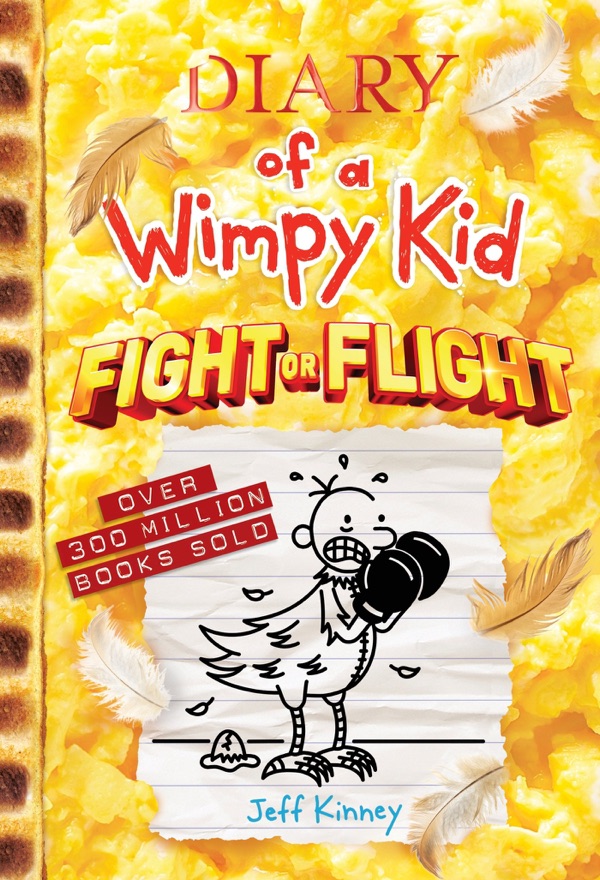
Fight or Flight Comprehension Questions & Reading Journal
Fight or Flight has 12 chapters · Grades 3–5 · 224 pages
Book 21 of the Diary of a Wimpy Kid series
Free, no sign-up. Customise to reword questions or add your reader’s name.
Inside the journal: 12 chapter pages, one question each · 3 example answers · a cover for your reader’s name
Open-ended Thought-provoking questions for any chapter book.
What is the most important event in this chapter? Explain what happens and why it matters to the story so far.See all 12 questions ↓
A printable reading journal for Fight or Flight: one question per chapter, with example answers.
Buy the book on Amazon ↗ (affiliate link)
Fight or Flight questions by chapter
We don’t know this book well enough to ask about its story, so these are open-ended prompts that get a reader thinking about the chapter they just finished: what happened, who changed, what they would do. One question per chapter, across all 12 chapters, and every one is editable before you print. The example answers under 3 of the chapters are the ones printed at the front of the booklet.
-
Chapter 1
What is the most important event in this chapter? Explain what happens and why it matters to the story so far.
-
Chapter 2
Which choice in this chapter helps you understand a character better? Explain what that choice shows about the character.
-
Chapter 3
Based on a clue in this chapter, what do you predict will happen next? Explain how the clue supports your prediction.
Example answer: If a character avoided talking about a problem, I would predict that the problem might get harder to solve. Keeping quiet could stop other people from helping. I would use the character's words or actions as clues for my prediction. I would also remember that a prediction can change when I learn more.
-
Chapter 4
Choose an unfamiliar or interesting word from this chapter. What do you think it means, and how do the nearby words help you figure it out?
Example answer: If I found the word 'reluctant,' I would look for clues about how the character acts. If the character paused or tried to avoid doing something, I would think it meant not wanting to do it. Those actions would help me understand the word without guessing from its spelling. I would check whether that meaning makes sense in the sentence.
-
Chapter 5
What does this chapter suggest about being a good friend, facing a challenge, or making a fair choice? Use a detail from the chapter to explain your idea.
-
Chapter 6
Which part of this chapter did you find most interesting, surprising, or confusing? Explain your reaction using a detail from the text.
-
Chapter 7
How does the place or time in this chapter affect what happens? Describe a detail about the setting that supports your answer.
-
Chapter 8
What problem does a character face in this chapter, and how does the character respond? Explain whether that response helps or makes things harder.
-
Chapter 9
How do two characters treat each other in this chapter? Explain what their words or actions show about their relationship.
-
Chapter 10
What question are you hoping the next chapter will answer? Explain what happened in this chapter to make you wonder about it.
-
Chapter 11
Find a word or phrase that helps you picture a moment in this chapter. What image does it create, and why is it more effective than a plain description?
-
Chapter 12
What lesson could a reader take from this chapter? Explain how a character's actions or an event support that lesson.
Example answer: If a character kept trying after a mistake, I might take away the lesson that mistakes can help us learn. I would look for something the character did differently on the next try. That change would show learning more clearly than simply trying the same thing again. To me, the lesson would be about improving, not being perfect.
Discussion questions for after Fight or Flight
Bigger questions for when the book is finished, each printed on its own ruled page at the end of the booklet.
- How does an important character change from the beginning of the book to the end? Describe the character at both points, and explain which events or relationships helped cause the change. Use examples from different parts of the story.
- What do you think this book is really about beyond the events of its plot? Explain an important message or big idea, using moments from the beginning, middle, and end. Then describe how that idea connects to your life or to the world around you.
More in Diary of a Wimpy Kid
All 4 →
More by Jeff Kinney
All 8 →-
 Diary of an Awesome Friendly Kid: Rowley Jefferson's Journal
-
 Rowley Jefferson's Awesome Friendly Adventure
-
 Rowley Jefferson's Awesome Friendly Spooky Stories
-
 Rowley Jefferson's Awesome Friendly Spooky Stories 2
Similar books for grades 3–5
-
 Survival Guide for Making and Being Friends
-
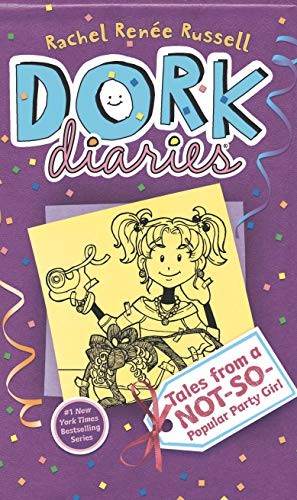 Tales from a Not-so-popular Party Girl
-
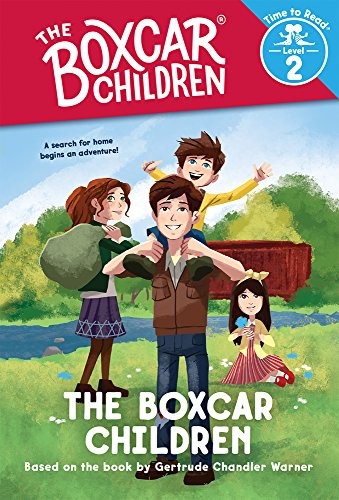 The Boxcar Children
-
 The Court of the Dead
-
 The Crock of Gold
-
 The First State of Being
How to use this Fight or Flight reading journal
At home, as a discussion guide
After each chapter your reader writes a few lines on that chapter’s question. Read the answer together at bedtime: it shows what they understood and gives you something real to talk about, without a quiz.
In class, as a novel study
Print a class set (booklets fold from plain letter paper) and use one question per chapter as the reading-response or literature-circle prompt. The example answers at the front show what a full answer looks like.
Homeschool
One booklet covers the whole book, 12 chapters, so it doubles as the reading log for Fight or Flight. Reword any question before printing to match your reader.
Printing
The booklet PDF prints on ordinary 8.5 × 11 paper: print double-sided (flip on the short edge) at 100%, fold the stack in half and staple on the fold. There is also a one-page-per-sheet PDF and A5 binder pages.
Where the questions come from
Thought-provoking questions for any chapter book. We don’t know this book well enough to ask about its story, so these are open-ended prompts that get a reader thinking about the chapter they just finished: what happened, who changed, what they would do. The questions were drafted with AI from what is known about the book and checked before publishing; every one is editable before you print.
Browse: 3rd grade books · 4th grade books · 5th grade books · All books by Jeff Kinney