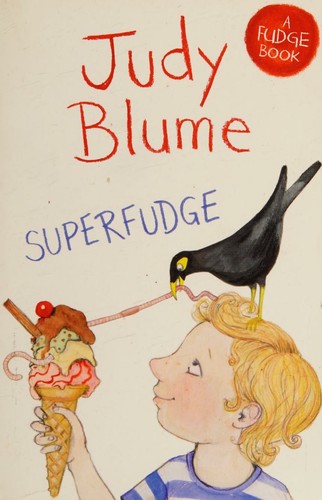
Superfudge Comprehension Questions & Reading Journal
4.4 out of 5, (12 ratings on Open Library)
Superfudge has 12 chapters · 166 pages
Part of the Fudge series
Free, no sign-up. Customise to reword questions or add your reader’s name.
Inside the journal: 12 chapter pages, one question each · 3 example answers · a cover for your reader’s name
Written for this book Questions about this story, good after any chapter.
What is one problem Peter Hatcher has faced so far? Explain what caused it and how he has responded.See all 12 questions ↓
A printable reading journal for Superfudge: one question per chapter, with example answers.
Buy the book on Amazon ↗ (affiliate link)
Superfudge questions by chapter
We know the book, its characters, setting and story, but not what happens in each chapter. So every question is written for this book, and any of them works wherever your reader has just stopped. One question per chapter, across all 12 chapters, and every one is editable before you print. The example answers under 3 of the chapters are the ones printed at the front of the booklet.
-
Chapter 1
What is one problem Peter Hatcher has faced so far? Explain what caused it and how he has responded.
-
Chapter 2
How would you describe Peter's feelings about his younger brother, Fudge, at this point? Use a detail from your reading to explain.
Example answer: I think Peter feels frustrated with Fudge, but that does not mean he does not care about him. Peter notices how much attention his little brother gets and how much trouble he can cause. I can understand why being the older brother sometimes feels unfair to Peter. His complaints help me see how hard it can be to share a family's attention.
-
Chapter 3
Based on what you know about Fudge so far, what do you predict he might do next? Explain which part of his personality supports your prediction.
-
Chapter 4
What has Peter's family life shown you so far about sharing attention with brothers or sisters? Connect your idea to something you have read.
-
Chapter 5
Choose a word or phrase from your reading that helps you picture Peter's feelings. What do you think it means, and which nearby words helped you understand it?
-
Chapter 6
Which of Peter's choices so far do you agree or disagree with most? Explain your opinion and what you might have done in his place.
-
Chapter 7
Describe a place Peter has mentioned or spent time in so far. How does that place affect his feelings or what he does?
-
Chapter 8
What do you think Fudge wants or needs at this point in your reading? Explain how his words or actions give you clues.
-
Chapter 9
Find a moment involving the Hatcher family that you thought was funny, surprising, or uncomfortable. What made it feel that way to you?
-
Chapter 10
How has Peter handled something that did not go the way he wanted? Explain what his response suggests about dealing with change.
Example answer: I noticed that Peter is upset when he learns his family plans to move to Princeton. He does not want to leave the life he knows in New York City. I think his response shows that a change can feel scary when someone else makes the decision. It reminds me that people may need time to get used to a new plan.
-
Chapter 11
If Fudge told the story instead of Peter, how might he describe one moment you have read differently? Explain why their views might not match.
Example answer: I think Fudge would describe getting attention from his family differently from Peter. Peter can see that attention as unfair because he has to share it with his younger brother. Fudge might simply think everyone is interested in what he is doing. Their views would differ because Peter is an older brother, while Fudge is still learning how his actions affect other people.
-
Chapter 12
What question would you ask Peter about something you have read so far? Explain why you want to ask it and what you think his answer might reveal.
Discussion questions for after Superfudge
Bigger questions for when the book is finished, each printed on its own ruled page at the end of the booklet.
- How does Peter change over the course of Superfudge, especially in the way he thinks about his family and changes in his life? Compare his feelings and choices at different points in the story. Explain which experiences seem to teach him the most.
- What do you think Superfudge is really saying about growing up with brothers and sisters? Explain your idea using several moments involving Peter, Fudge, and their family. Discuss how the funny parts help Judy Blume show feelings or problems that real families might recognize.
More by Judy Blume
All 2 →
More ready-made journals
-
 The Absolutely True Diary of a Part-Time Indian
-
 The Adventures of Ulysses
-
 The Best Christmas Pageant Ever
-
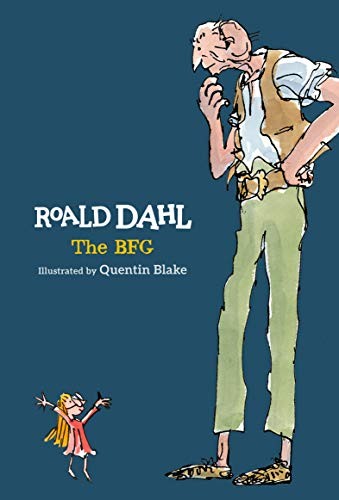 The BFG
-
 The birchbark house
-
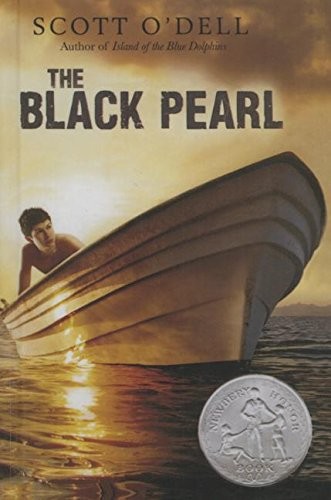 The Black Pearl
How to use this Superfudge reading journal
At home, as a discussion guide
After each chapter your reader writes a few lines on that chapter’s question. Read the answer together at bedtime: it shows what they understood and gives you something real to talk about, without a quiz.
In class, as a novel study
Print a class set (booklets fold from plain letter paper) and use one question per chapter as the reading-response or literature-circle prompt. The example answers at the front show what a full answer looks like.
Homeschool
One booklet covers the whole book, 12 chapters, so it doubles as the reading log for Superfudge. Reword any question before printing to match your reader.
Printing
The booklet PDF prints on ordinary 8.5 × 11 paper: print double-sided (flip on the short edge) at 100%, fold the stack in half and staple on the fold. There is also a one-page-per-sheet PDF and A5 binder pages.
Where the questions come from
Questions about this story, good after any chapter. We know the book, its characters, setting and story, but not what happens in each chapter. So every question is written for this book, and any of them works wherever your reader has just stopped. The questions were drafted with AI from what is known about the book and checked before publishing; every one is editable before you print.
Browse: All books by Judy Blume