
The School for Thieves Comprehension Questions & Reading Journal
The School for Thieves has 28 chapters · Grades 3–5
Free, no sign-up. Customise to reword questions or add your reader’s name.
Inside the journal: 28 chapter pages, one question each · 3 example answers · a cover for your reader’s name
Open-ended Thought-provoking questions for any chapter book.
What is the most important event in this chapter, and how does it affect what happens next?See all 28 questions ↓
A printable reading journal for The School for Thieves: one question per chapter, with example answers.
Buy the book on Amazon ↗ (affiliate link)
The School for Thieves questions by chapter
We don’t know this book well enough to ask about its story, so these are open-ended prompts that get a reader thinking about the chapter they just finished: what happened, who changed, what they would do. One question per chapter, across all 28 chapters, and every one is editable before you print. The example answers under 3 of the chapters are the ones printed at the front of the booklet.
-
Chapter 1
What is the most important event in this chapter, and how does it affect what happens next?
-
Chapter 2
Which character do you learn the most about in this chapter? Explain what their words or actions show you.
-
Chapter 3
What do you predict will happen next, and which detail from this chapter supports your prediction?
-
Chapter 4
How does the setting affect what a character can do in this chapter?
-
Chapter 5
Choose an unfamiliar or interesting word from this chapter. What do you think it means, and what clues helped you?
-
Chapter 6
Which decision in this chapter do you agree or disagree with? Explain your reasons.
-
Chapter 7
What problem needs attention in this chapter, and what makes it difficult to solve?
-
Chapter 8
If you faced a difficult choice like one in this chapter, what would help you decide what to do?
Example answer: I would think about who could be helped or hurt by my choice. I would also ask myself whether I was choosing something just because it was easy. If I still felt unsure, I would ask someone I trusted for advice. That would help me make a careful choice instead of rushing.
-
Chapter 9
How does a character's mood change during this chapter? Describe what causes the change.
-
Chapter 10
What question are you left wondering about at the end of this chapter, and what is your best guess about its answer?
-
Chapter 11
Which small detail seems worth remembering? Explain why it might matter.
-
Chapter 12
What might this chapter teach readers about treating other people? Use a moment from the chapter to explain your thinking.
-
Chapter 13
Describe how two characters get along in this chapter. What helps or hurts their relationship?
-
Chapter 14
Find a sentence that helps you picture something clearly. Which words make the picture strong?
-
Chapter 15
Where would you pause this chapter to talk with a friend about it, and what would you discuss?
-
Chapter 16
Retell this chapter in three important steps. Explain how one step leads to another.
-
Chapter 17
What does a character seem to want most in this chapter, and how can you tell?
-
Chapter 18
Suppose a character made a different choice in this chapter. How might the next part of the story change?
-
Chapter 19
What word would you choose to describe the mood of this chapter? Explain what that word means and why it could fit.
-
Chapter 20
Which action in this chapter seems fair or unfair? Explain what makes you see it that way.
-
Chapter 21
How does this chapter connect to something you have experienced, read, or seen? Describe both a similarity and a difference.
-
Chapter 22
What does the reader know by the end of this chapter that they did not know at the beginning? Explain why that information matters.
-
Chapter 23
Choose a line of dialogue, or a character's action if there is no dialogue. What does it suggest that the character is thinking but not saying?
-
Chapter 24
What advice would you offer a character about handling a problem in this chapter? Explain why your advice could help.
Example answer: My advice would be to pause and think before taking action. I would suggest naming the problem and thinking of two possible ways to handle it. Then I would compare what might happen with each choice. This could help the character avoid making the problem worse by rushing.
-
Chapter 25
Which idea seems important in this chapter, such as courage, honesty, belonging, or responsibility? Explain how the chapter explores it.
-
Chapter 26
As you wait to see what happens next, what kind of clue will you watch for, and how could it help you check a prediction?
Example answer: I will watch for a character doing something different from what they say they will do. That kind of clue could help me predict whether someone will keep a promise. I would also look for a reason for the difference, because changing a plan does not always mean someone is dishonest. I would change my prediction if new details pointed another way.
-
Chapter 27
How does the author make this chapter interesting to read? Explain how one writing choice affects you as a reader.
-
Chapter 28
Looking back at this chapter, what do you understand differently than you did before reading it? Explain what changed your thinking.
Discussion questions for after The School for Thieves
Bigger questions for when the book is finished, each printed on its own ruled page at the end of the booklet.
- How does an important character change from the beginning of the book to the end? Explain what the character was like at first, describe the experiences that helped cause the change, and use details from different parts of the story to show why the change matters.
- What do you think this whole story helps readers understand about life or people? Explain your idea using at least two moments from different parts of the book, and describe how that idea connects to the world outside the story.
Similar books for grades 3–5
-
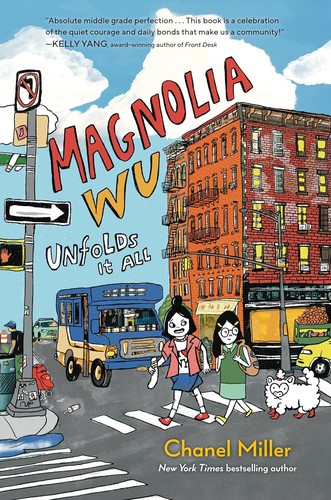 Magnolia Wu Unfolds It All
-
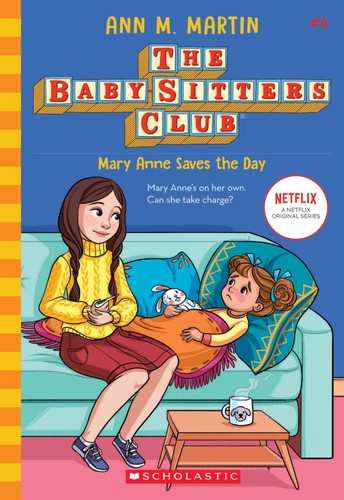 Mary Anne Saves the Day
-
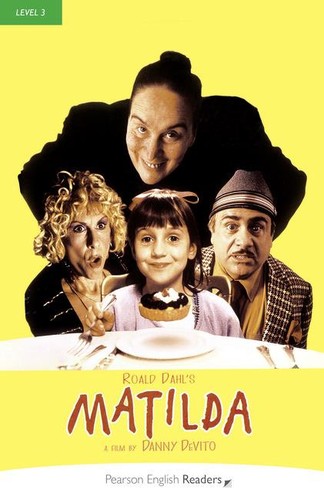 Matilda
-
 Mayowa and the Sea of Words
-
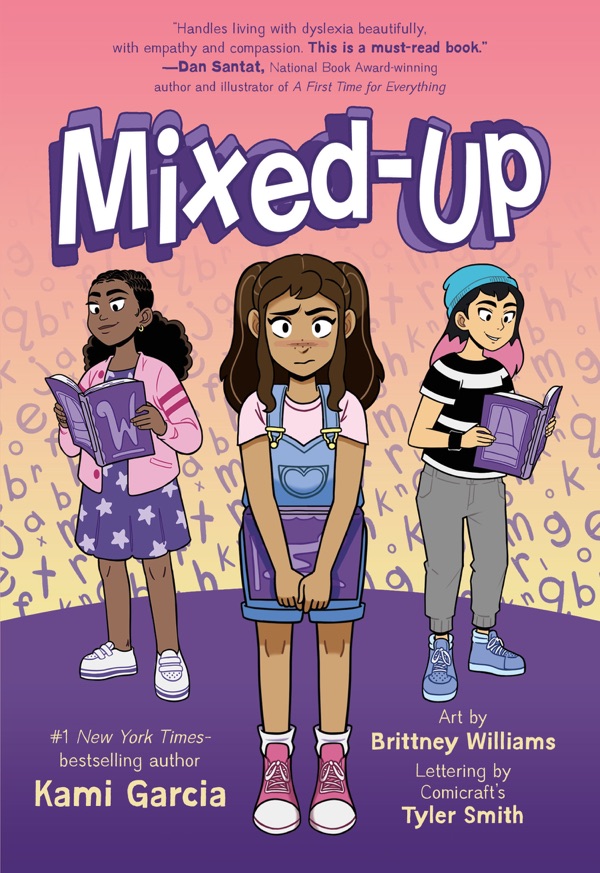 Mixed-Up
-
 Monsters in space!
How to use this The School for Thieves reading journal
At home, as a discussion guide
After each chapter your reader writes a few lines on that chapter’s question. Read the answer together at bedtime: it shows what they understood and gives you something real to talk about, without a quiz.
In class, as a novel study
Print a class set (booklets fold from plain letter paper) and use one question per chapter as the reading-response or literature-circle prompt. The example answers at the front show what a full answer looks like.
Homeschool
One booklet covers the whole book, 28 chapters, so it doubles as the reading log for The School for Thieves. Reword any question before printing to match your reader.
Printing
The booklet PDF prints on ordinary 8.5 × 11 paper: print double-sided (flip on the short edge) at 100%, fold the stack in half and staple on the fold. There is also a one-page-per-sheet PDF and A5 binder pages.
Where the questions come from
Thought-provoking questions for any chapter book. We don’t know this book well enough to ask about its story, so these are open-ended prompts that get a reader thinking about the chapter they just finished: what happened, who changed, what they would do. The questions were drafted with AI from what is known about the book and checked before publishing; every one is editable before you print.
Browse: 3rd grade books · 4th grade books · 5th grade books