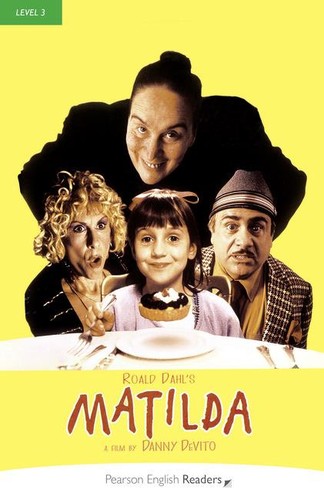
Matilda Comprehension Questions & Reading Journal
4.3 out of 5, (282 ratings on Open Library)
Matilda has 21 chapters · Grades 3–5 · 240 pages
Free, no sign-up. Customise to reword questions or add your reader’s name.
Inside the journal: 21 chapter pages, one question each · 3 example answers · a cover for your reader’s name
Chapter by chapter Each question is about its own chapter.
How does Matilda become a reader before she starts school, and how does Mrs. Phelps help her at the library?See all 21 questions ↓
About the book
Matilda applies her untapped mental powers to rid the school of the evil, child-hating headmistress, Miss Trunchbull, and restore her nice teacher, Miss Honey, to financial security.
Buy the book on Amazon ↗ (affiliate link)
Matilda questions by chapter
We know this book well. Every question asks about something that happens in its chapter, a moment, a choice or a character, without giving away what comes next. One question per chapter, across all 21 chapters, and every one is editable before you print. The example answers under 3 of the chapters are the ones printed at the front of the booklet.
-
Chapter 1
How does Matilda become a reader before she starts school, and how does Mrs. Phelps help her at the library?
-
Chapter 2
Mr. Wormwood tricks customers when he sells cars. What does the word dishonest mean, and which of his methods shows that meaning?
-
Chapter 3
Why does Matilda put superglue in her father's hat, and what does this prank show about how she handles unfair treatment?
-
Chapter 4
How does Matilda use Fred's parrot to make her family think there is a ghost? What makes her trick convincing?
Example answer: I think Matilda's trick works because her family hears a voice but cannot see where it comes from. She borrows Fred's talking parrot and hides it in the chimney. Her family thinks the hidden voice belongs to a ghost. This shows me that Matilda notices how she can use ordinary things in clever ways.
-
Chapter 5
When Matilda works out her father's car profits in her head, how does he react? What does his reaction reveal about him?
-
Chapter 6
After Matilda's hair-product prank turns Mr. Wormwood's hair an unexpected color, how do you predict he will treat her? Use his behavior so far to explain.
-
Chapter 7
What does Miss Honey discover about Matilda during their first lesson together, and how is her response different from the responses Matilda gets at home?
-
Chapter 8
Why does Miss Trunchbull refuse to help when Miss Honey explains Matilda's abilities? What does their conversation show about the two teachers?
-
Chapter 9
During Miss Honey's visit, what do Matilda's parents say about learning and success? How do their ideas compare with Miss Honey's?
-
Chapter 10
How do Hortensia's stories and Miss Trunchbull's treatment of Amanda Thripp help Matilda understand life at Crunchem Hall?
-
Chapter 11
Do you think Bruce Bogtrotter's classmates help him during the chocolate-cake punishment? Explain how their actions affect him.
Example answer: I think Bruce's classmates help him even though they cannot eat the cake for him. They cheer him on instead of laughing at him. Their support seems to give him courage to keep going. To me, the scene shows that people can make a hard situation easier by standing together.
-
Chapter 12
What steps does Lavender take to prepare her newt prank, and what do those steps show about her personality?
-
Chapter 13
During Miss Trunchbull's weekly classroom visit, how does she use fear to control the children? Describe an example and explain its effect.
-
Chapter 14
What happens between Matilda's angry thoughts and the glass tipping over? Explain why this moment is such a surprise to her.
-
Chapter 15
How does Matilda's second attempt to move the glass help Miss Honey understand what happened? Why does it matter that Miss Honey watches carefully?
-
Chapter 16
What details in Miss Honey's cottage show how she lives? Explain how Matilda's visit changes your understanding of her teacher.
Example answer: I noticed that Miss Honey's cottage has very little furniture and few comforts. Even making tea is different from making it in a regular kitchen. Before this visit, I mostly thought of her as Matilda's kind teacher. Now I see that she has serious troubles of her own, even though she still cares about her students.
-
Chapter 17
How has Miss Honey's aunt controlled her life, according to the story she tells Matilda? What makes it difficult for Miss Honey to stand up for herself?
-
Chapter 18
Matilda asks Miss Honey for her father's name, her aunt's name, and her own first name. What do you predict Matilda might do with this information, and why?
-
Chapter 19
How does Matilda practice moving her father's cigar, and what does her practice show about the difference between having a talent and learning to use it?
-
Chapter 20
What message does the moving chalk write for Miss Trunchbull, and why do those particular words have such a strong effect on her?
-
Chapter 21
When her parents prepare to leave, what choice does Matilda ask them to let her make? Explain what her choice shows about where she feels loved and understood.
Discussion questions for after Matilda
Bigger questions for when the book is finished, each printed on its own ruled page at the end of the booklet.
- How does Matilda change from the beginning of the story to the end? Explain how her experiences with her parents, Miss Honey, and Miss Trunchbull shape her confidence and her choices. Use examples from different parts of the book.
- What do you think Matilda teaches readers about using power fairly? Compare how Matilda, Miss Honey, and Miss Trunchbull use the power they have, and explain which moments best support your idea.
More by Roald Dahl
All 4 →
Similar books for grades 3–5
-
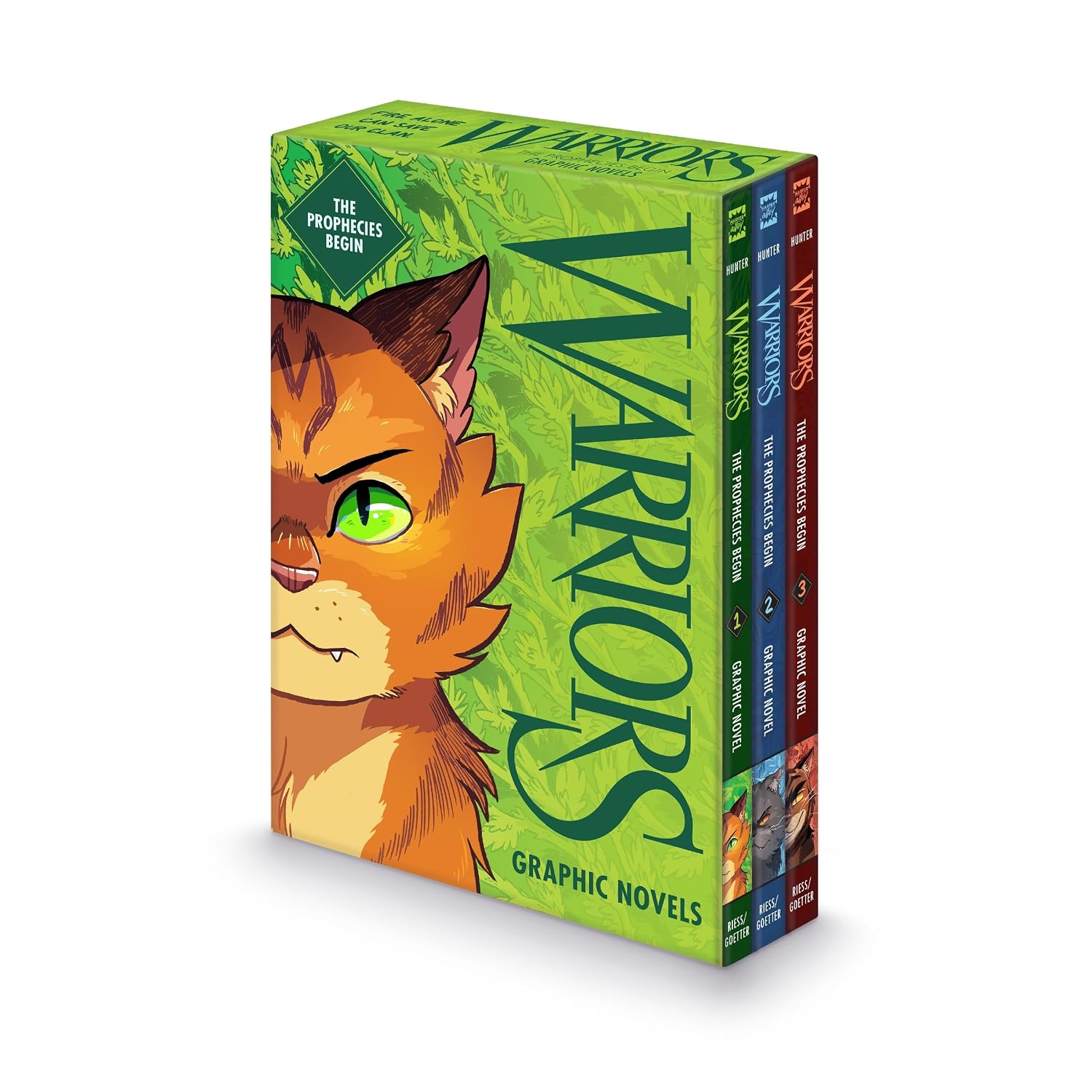 Warriors Graphic Novel
-
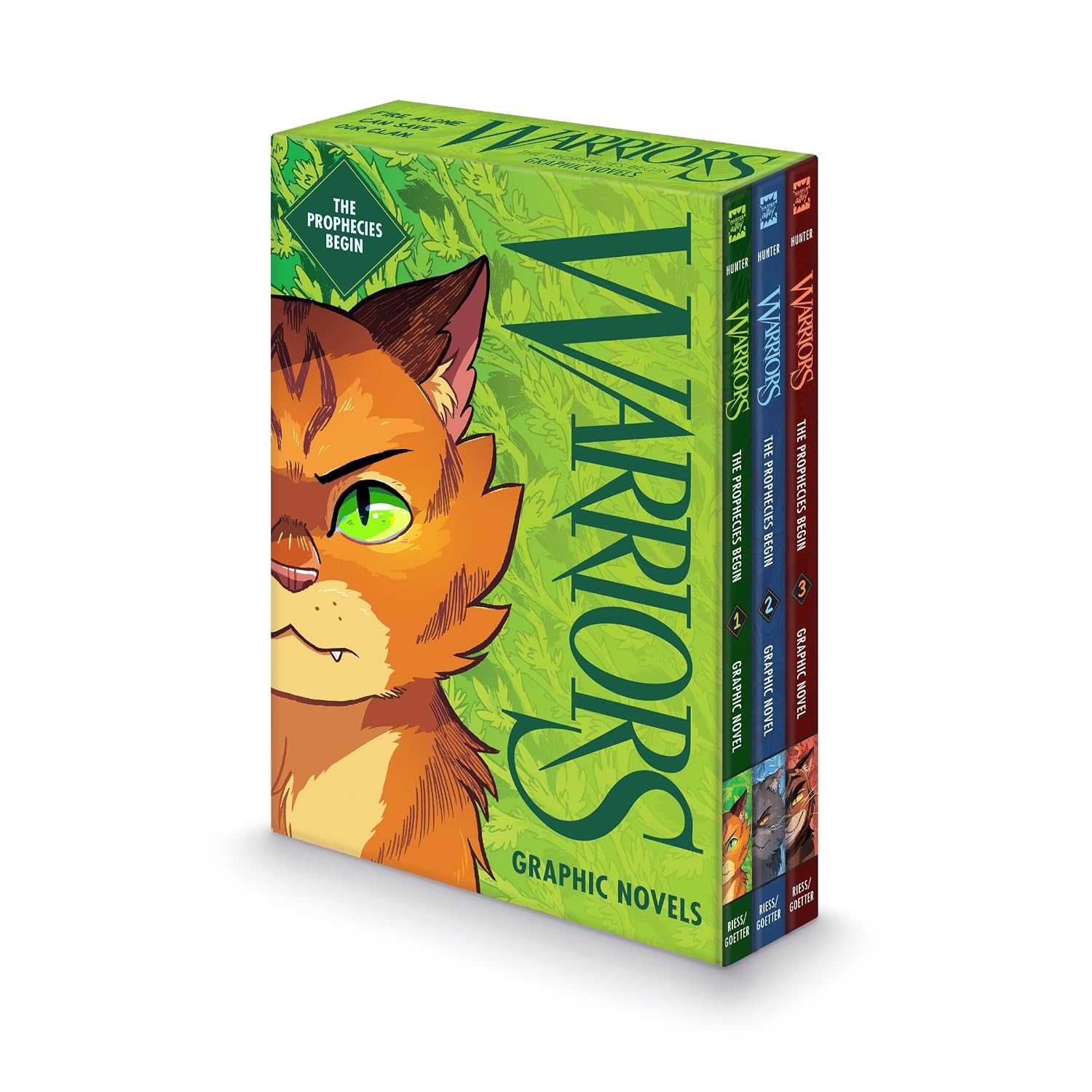 Warriors Graphic Novel: The New Prophecy, Part One of Three
-
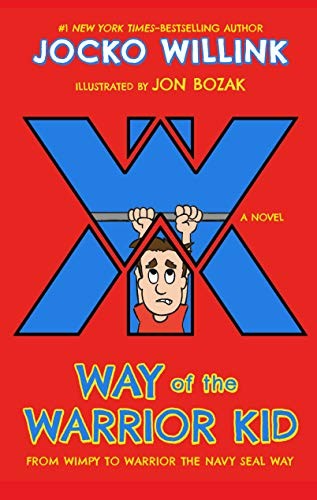 Way of the warrior kid
-
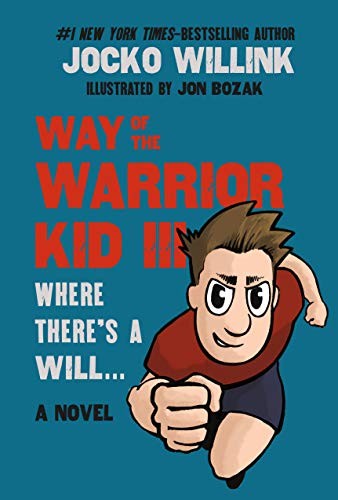 Way of the Warrior Kid 3
-
 Wayside School is Falling Down (Wayside School #2)
-
 We'll Always Have Summer
How to use this Matilda reading journal
At home, as a discussion guide
After each chapter your reader writes a few lines on that chapter’s question. Read the answer together at bedtime: it shows what they understood and gives you something real to talk about, without a quiz.
In class, as a novel study
Print a class set (booklets fold from plain letter paper) and use one question per chapter as the reading-response or literature-circle prompt. The example answers at the front show what a full answer looks like.
Homeschool
One booklet covers the whole book, 21 chapters, so it doubles as the reading log for Matilda. Reword any question before printing to match your reader.
Printing
The booklet PDF prints on ordinary 8.5 × 11 paper: print double-sided (flip on the short edge) at 100%, fold the stack in half and staple on the fold. There is also a one-page-per-sheet PDF and A5 binder pages.
Where the questions come from
Each question is about its own chapter. We know this book well. Every question asks about something that happens in its chapter, a moment, a choice or a character, without giving away what comes next. The questions were drafted with AI from what is known about the book and checked before publishing; every one is editable before you print.
Browse: 3rd grade books · 4th grade books · 5th grade books · All books by Roald Dahl