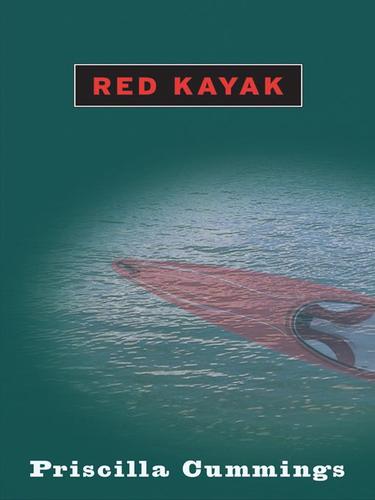
Red kayak Comprehension Questions & Reading Journal
4.3 out of 5, (7 ratings on Open Library)
Red kayak has 26 chapters · 209 pages
Brady loves life on the Chesapeake Bay with his friends J.T.
Free, no sign-up. Customise to reword questions or add your reader’s name.
Inside the journal: 26 chapter pages, one question each · 3 example answers · a cover for your reader’s name
Chapter by chapter Each question is about its own chapter.
Brady hints that something serious has happened. What mood does the first chapter create, and what details help create that feeling?See all 26 questions ↓
About the book
Brady loves life on the Chesapeake Bay with his friends J.T. and Digger. But developers and rich families are moving into the area, and while Brady befriends some of them, like the DiAngelos, his parents and friends are bitter about the changes. Tragedy strikes when the DiAngelos' kayak overturns in the bay, and Brady wonders if it was more than an accident. Soon, Brady discovers the terrible truth behind the kayak's sinking, and it will change the lives of those he loves forever.
Buy the book on Amazon ↗ (affiliate link)
Red kayak questions by chapter
We know this book well. Every question asks about something that happens in its chapter, a moment, a choice or a character, without giving away what comes next. One question per chapter, across all 26 chapters, and every one is editable before you print. The example answers under 3 of the chapters are the ones printed at the front of the booklet.
-
Chapter 1
Brady hints that something serious has happened. What mood does the first chapter create, and what details help create that feeling?
-
Chapter 2
What do you learn about Brady's life on the river and his family? How does the setting seem important to the story?
-
Chapter 3
How does Brady feel about the DiAngelo family moving into the area? Why might changes in his neighborhood bother him and his friends?
-
Chapter 4
Compare Brady, J.T., and Digger as friends. What makes their friendship strong, and what problems do you notice?
-
Chapter 5
What clues show that the river and the weather can be dangerous? What do you predict might happen because of these clues?
-
Chapter 6
Why does Brady decide to help search for Mrs. DiAngelo and Ben? What does his choice show about his character?
Example answer: I think Brady helps because he knows the river well and understands that every minute matters. He does not just wait for adults to solve the problem. This shows that Brady is brave and responsible, even though he is still young. It also shows that he cares about people, even if he does not know them very well.
-
Chapter 7
Describe Brady's rescue efforts. Which details make this part of the story feel tense or frightening?
-
Chapter 8
How do the adults and neighbors respond after Ben is found? What do their actions show about the community?
-
Chapter 9
Brady uses skills he has learned to try to help Ben. Why is it important for people to be prepared in an emergency?
-
Chapter 10
After hearing the news from the hospital, how does Brady react? What questions or feelings does he struggle with?
-
Chapter 11
How do J.T. and Digger act after the accident? What makes Brady feel confused or suspicious about them?
-
Chapter 12
The red kayak is more than just a boat in this story. What do you think it symbolizes so far, and why?
-
Chapter 13
Digger has a lot of anger about his family and the DiAngelos. How does his anger affect the choices he makes?
-
Chapter 14
Brady begins to put clues together about what happened to the kayak. What evidence seems important, and why?
-
Chapter 15
What would you do if you suspected your friends had done something wrong but you did not know the whole truth? Explain your thinking.
Example answer: I would probably feel scared and confused, just like Brady does. I would not want to get my friends in trouble if I was wrong, but I also would not want to hide something serious. I think I would talk to a trusted adult and explain what I knew and what I was unsure about. That would be hard, but it would be better than keeping a dangerous secret.
-
Chapter 16
How does Brady's relationship with his parents help him or put pressure on him during this part of the story?
-
Chapter 17
How does guilt change Brady's friendship with J.T. and Digger? Use details from the chapter in your answer.
-
Chapter 18
Choose one strong word or phrase from this chapter that describes the river, the weather, or Brady's emotions. What does it mean, and why is it effective?
-
Chapter 19
Why is telling the truth so difficult for Brady? What are the risks of staying silent?
-
Chapter 20
What do you predict will happen when adults or the law learn more about what happened to the kayak? Why?
-
Chapter 21
Brady shows courage in a different way than he did during the river rescue. How does he show courage in this chapter?
-
Chapter 22
What does the court or legal process teach Brady about choices and consequences?
-
Chapter 23
How do different characters begin to heal, or fail to heal, after the truth comes out?
-
Chapter 24
What lesson does the novel teach about loyalty? Is being loyal to friends always the same as protecting them?
Example answer: The novel shows that loyalty is not just keeping your friends' secrets no matter what. Real loyalty can mean helping friends face the truth, even when it is painful. If someone has done something that hurt another person, protecting them from consequences may only make things worse. I think Brady learns that doing the right thing can matter more than staying popular with friends.
-
Chapter 25
How has Brady changed from the first chapter to this point? Give examples from the story.
-
Chapter 26
What is your opinion of the ending? Did it feel fair, hopeful, sad, or something else? Explain your answer.
More ready-made journals
-
 Fantasy baseball
-
 Farmer Boy
-
 Fever 1793
-
 Fight or Flight
-
 Fish In A Tree
-
 Five Little Peppers and How They Grew
How to use this Red kayak reading journal
At home, as a discussion guide
After each chapter your reader writes a few lines on that chapter’s question. Read the answer together at bedtime: it shows what they understood and gives you something real to talk about, without a quiz.
In class, as a novel study
Print a class set (booklets fold from plain letter paper) and use one question per chapter as the reading-response or literature-circle prompt. The example answers at the front show what a full answer looks like.
Homeschool
One booklet covers the whole book, 26 chapters, so it doubles as the reading log for Red kayak. Reword any question before printing to match your reader.
Printing
The booklet PDF prints on ordinary 8.5 × 11 paper: print double-sided (flip on the short edge) at 100%, fold the stack in half and staple on the fold. There is also a one-page-per-sheet PDF and A5 binder pages.
Where the questions come from
Each question is about its own chapter. We know this book well. Every question asks about something that happens in its chapter, a moment, a choice or a character, without giving away what comes next. The questions were drafted with AI from what is known about the book and checked before publishing; every one is editable before you print.